


Why Caller ID Reputation Matters for Businesses
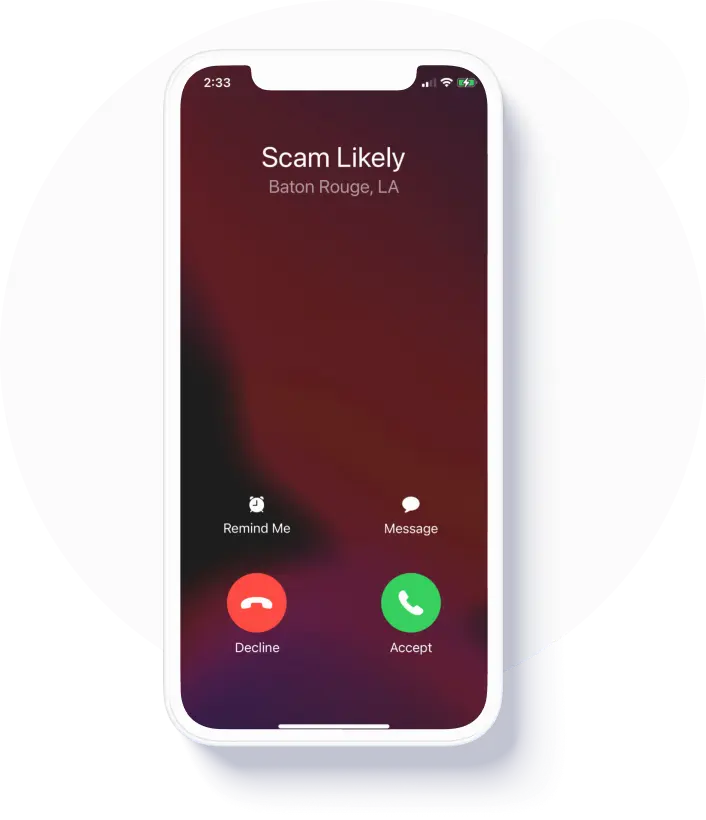
In today’s digital-first world, trust is everything. Whether you’re running a small business, managing a sales team, or operating a large customer support center, your ability to connect with customers often depends on one simple factor: whether they answer your call. Unfortunately, with the rise of spam and scam calls, many legitimate businesses struggle to get through. This is where caller id reputation becomes critically important.
When your business places an outbound call, carriers and analytics providers evaluate the number behind it. If that number has been flagged, reported, or associated with suspicious behavior, it may be labeled as “Spam Likely” or blocked entirely. Once that happens, answer rates can drop dramatically. Even loyal customers may ignore your calls simply because they don’t trust what appears on their screen.
Caller ID reputation is essentially your phone number’s trust score. Just like email domains have sender reputations, phone numbers build a history over time. Factors such as call volume, call frequency, customer complaints, and engagement rates all contribute to how carriers classify your number. If the signals appear abnormal or similar to known spam patterns, your number may be penalized — even if your intentions are legitimate.
For businesses that rely heavily on outbound communication, the impact can be severe. Sales teams experience declining connect rates. Appointment confirmations go unanswered. Payment reminders fail to reach customers. Support callbacks are ignored. Over time, this not only affects revenue but also damages customer relationships. When customers can’t easily connect with you — or worse, believe you’re a spammer — brand trust erodes.
One of the biggest challenges is that many organizations don’t even realize there’s a problem until performance metrics start slipping. They might assume seasonality, poor scripting, or ineffective targeting is to blame. In reality, their numbers may have already been flagged across major carrier networks. Without monitoring and proactive management, this issue can silently grow.
Maintaining a strong reputation requires both technical awareness and strategic discipline. First, businesses should monitor their outbound calling behavior. Extremely high call volumes in short bursts can trigger spam detection algorithms. It’s important to pace calls naturally and avoid patterns that resemble robocalling campaigns.
Second, list hygiene matters. Calling outdated or incorrect numbers increases the likelihood of complaints. Repeatedly dialing numbers that never answer can also be interpreted as suspicious behavior. Regularly cleaning contact databases and honoring opt-outs reduces risk significantly.
Third, customer experience plays a direct role. If recipients are confused about why they’re being called, they’re more likely to report the number. Clear communication, prior consent, and transparent messaging reduce complaint rates and improve engagement.
Authentication technologies are another critical component. Frameworks such as STIR/SHAKEN help verify that calls are genuinely originating from the number displayed. Businesses that implement proper call authentication demonstrate legitimacy to carriers and analytics providers, which can positively influence how their calls are labeled.
Additionally, number rotation strategies can help protect performance. Rather than relying on a single outbound number for all campaigns, distributing traffic across multiple verified numbers reduces concentration risk. However, this must be done responsibly. Simply switching numbers to avoid spam labels without addressing underlying behavior can further damage overall trust.
It’s also essential to respond quickly if a number becomes flagged. The longer a number carries a negative label, the more difficult it becomes to restore performance. Working with reputation management services and submitting remediation requests to analytics providers can help resolve issues faster.
The financial implications of ignoring reputation management are substantial. Studies consistently show that consumers are increasingly cautious about answering unknown calls. If your brand appears suspicious, your chances of engagement drop dramatically. In competitive markets, that lost connection may mean a lost customer.
On the positive side, organizations that actively manage their outbound presence often see measurable improvements. Higher answer rates lead to better sales conversions. Successful callbacks improve customer satisfaction. Reliable contact increases operational efficiency. Over time, protecting your number’s standing becomes a competitive advantage.
As regulations around robocalling and consumer protection continue to evolve, carriers are tightening filtering standards. This trend is unlikely to reverse. Businesses that adapt early by prioritizing transparency, compliance, and technical authentication will be better positioned for long-term success.

 English
 Arabic
 French
 Hebrew
 Spanish
 Portuguese
 Deutsch
 Turkish
 Dutch
Dutch
 Italiano
 Russian
 Romaian
 Greek
Greek